Dental Hygienist
category
read the post →
We’ve spent three articles tracing magnesium through the body: from the periodontium and alveolar bone, through the cardiovascular system, into the metabolic machinery of glucose and insulin. Each stop revealed the same pattern: a mineral so deeply embedded in normal physiology that its absence quietly dismantles one biological system after another. This final article takes […]
read the post →
As an RDH, I’ve witnessed firsthand how patients can struggle with the metabolic merry-go-round. HbA1c creeps up. Periodontal status worsens. You educate, you treat, you refer. The systemic inflammation in their tissues mirrors the systemic inflammation in their bloodwork. The two conditions periodontal disease and diabetes, feed each other in a bidirectional loop that’s been […]
read the post →
When it comes to heart disease, we frequently discuss the oral-systemic connection. The research is known to us. Patients with severe periodontitis are known to have a higher risk of cardiovascular events. We are aware that the oral cavity’s inflammatory load affects vascular tissue downstream. However, we don’t discuss this enough: Is that oral inflammation […]
read the post →
And the Research That Proves It I’d like you to sit with this scenario. You have a patient, let’s call her a cross between dozens of patients I’ve seen over the years. She is in her mid-fifties. She brushes twice a day, flosses daily, and visits every six months. Nonetheless, her periodontal condition worsens. The […]
read the post →
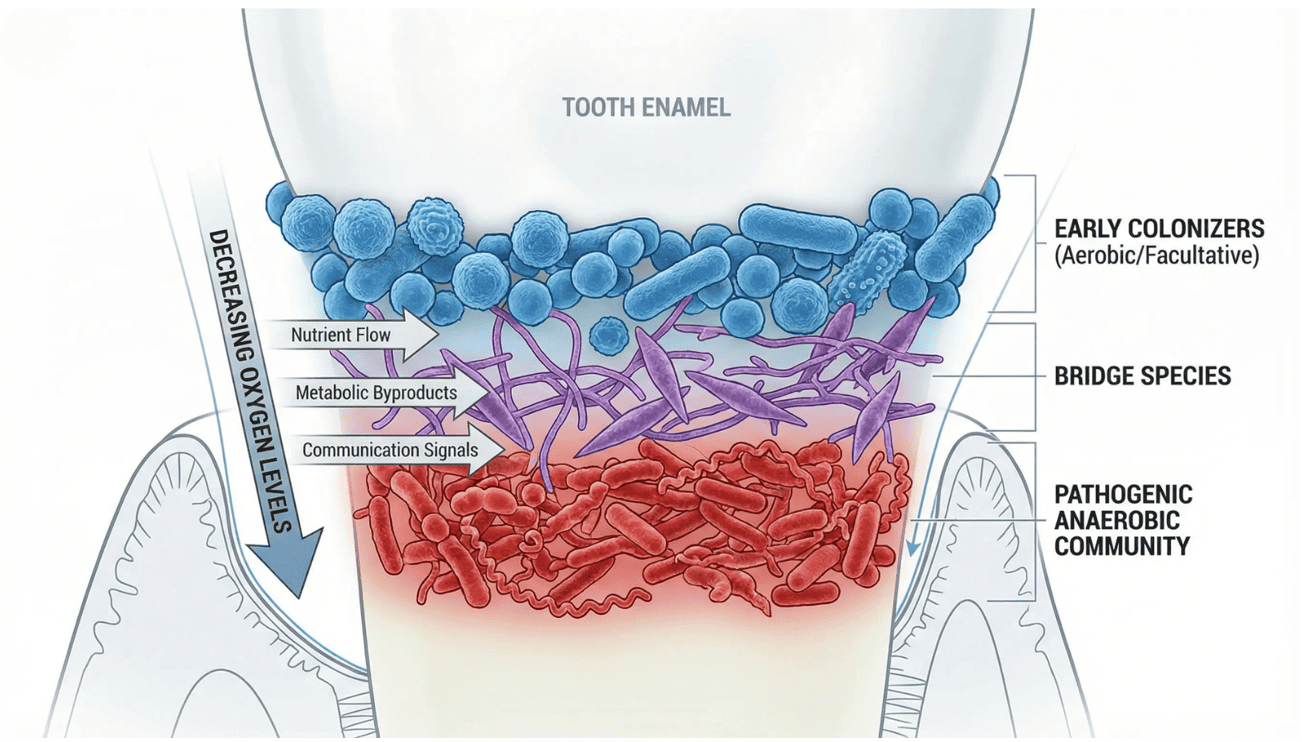
Headline: Meet the corkscrew bacterium that swims into your gums and brings its own demolition enzymes Most of the bacteria we talk about sit on a surface — on the tooth, on the tissue, in the biofilm. Treponema denticola is different, and understanding why changes how you think about a deep pocket. Td is a […]
read the post →
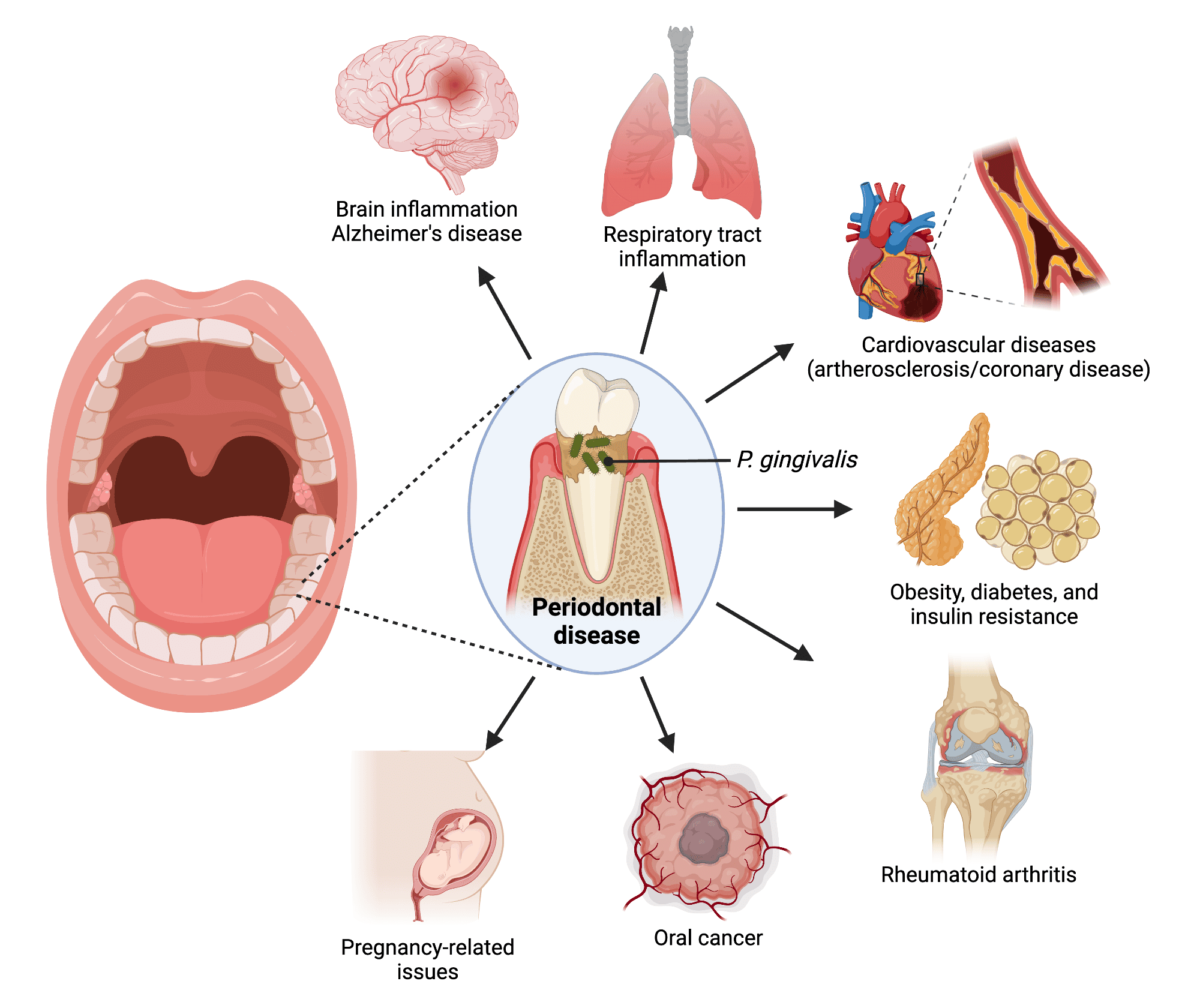
Sixteen years as a Registered Dental Hygienist and I’ve said the sentence a thousand times: “gum disease is linked to heart disease.” True — but linked is a weak word, and patients can smell it. So let me start this whole series by replacing the vague link with the actual machine, and introducing the enemy-in-chief: […]
read the post →
What GLP-1 medications are doing to saliva, enamel, and gum tissue — and the exact protocol I build inside practices to stay ahead of it Part 2 of The GLP-1 Series. Written for both sides of the operatory: the clinician holding the explorer, and the patient in the chair who was never warned. Picture a […]
read the post →
The new high-risk patient is already in your chair. She doesn’t look like anyone we were trained to catch. Part 1 of a four-part series on GLP-1 medications and the mouth. Written for dental professionals. Before we start: I am a dental hygienist (RDH, MPH) and a functional nutritionist. I am not a physician, and […]
read the post →
For decades we treated the mouth like it ended at the gumline. Bleeding gums were a brushing problem. A cavity was a sugar problem. Dry mouth was an annoyance you pushed through with a glass of water. Clean better, we said, and the mouth will behave. Modern science has dismantled that model completely. The mouth […]
read the post →
Amber Auger, MPH, RDH, presents a case study on scaling and root planing with glycine-based air polishing. Article originally published on RDHMag There’s been a shift from traditional rubber cup polishing to air polishing technology. This is due not only to time management, patient comfort, and stain removal, but also to the evidence-based research on […]